- Home
- News
- How Cast Aluminum Die Casting Enhances Strength and Lightweight Design in 2025 Manufacturing
How Cast Aluminum Die Casting Enhances Strength and Lightweight Design in 2025 Manufacturing
You see Cast Aluminum die casting transform manufacturing in 2025. Manufacturers rely on this technique to deliver superior strength and lightweight parts for Furniture and Machine tools.
- The global aluminum die casting market reaches about USD 25.6 billion in 2025.
- Experts project growth to USD 46.01 billion by 2035, with a 5.7% CAGR.
Aluminum die casting helps you reduce weight and support sustainability by minimizing waste and energy use during production.
| Property | Aluminum Die Casting | Other Methods |
|---|---|---|
| Tensile Strength | High | Variable |
| Fatigue Resistance | Excellent | Moderate |
| Weight | Lightweight | Heavier |
Key Takeaways
- Cast aluminum die casting offers high strength and lightweight components, making it ideal for industries like automotive and aerospace.
- Advanced techniques, such as high-pressure die casting and precision engineering, enhance the quality and performance of aluminum parts.
- Choosing the right aluminum alloy and optimizing design can significantly improve the strength-to-weight ratio of components.
Cast Aluminum Die Casting: Process and Material Advantages
High-Pressure Die Casting Techniques
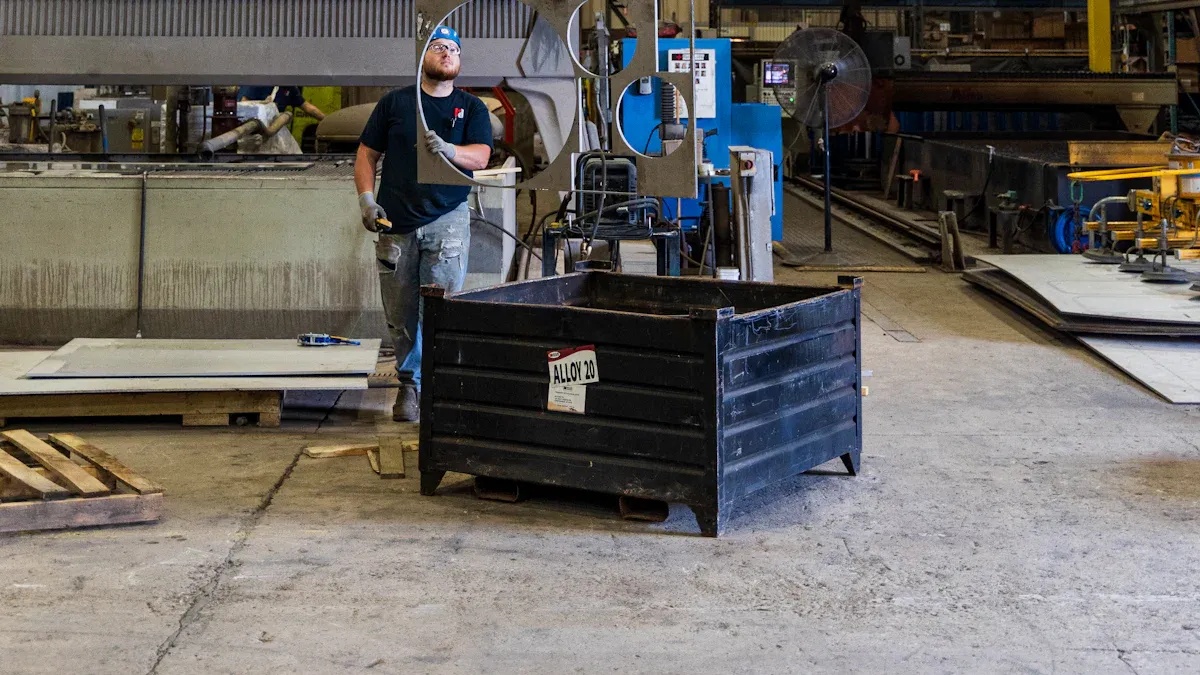
You benefit from high-pressure die casting techniques that deliver precise and reliable results. Recent advancements include the use of sensors and robotics, which allow real-time adjustments and consistent quality. Computer-aided design (CAD) and simulation software help you optimize mold design and metal flow, reducing waste and improving efficiency. Manufacturers also focus on sustainability by using recycled aluminum and energy-saving practices.
Here is a breakdown of the key process steps and their impact on material performance:
| Step | Contribution to Material Performance |
|---|---|
| Mold Design and Creation | Ensures durability and precision for high-quality castings. |
| Clamping and Preparation | Prevents gaps for molten aluminum, ensuring accurate filling of molds. |
| Melting and Injection | High-pressure injection fills mold details, enhancing dimensional accuracy. |
| Cooling and Solidification | Rapid cooling improves structural integrity and dimensional accuracy. |
| Ejection | Smooth removal of castings without damage to molds or parts. |
| Trimming and Flash Removal | Refines edges and ensures compliance with design specifications. |
Advanced Aluminum Alloy Selection
You can choose from a range of advanced aluminum alloys to meet your specific needs. These alloys offer lightweight properties, high strength, and excellent thermal conductivity. They also provide good fluidity, which helps fill complex molds, and strong corrosion resistance for long-lasting parts.
- Lightweight: Ideal for reducing overall component weight.
- High strength: Withstands heavy loads and stress.
- Good thermal conductivity: Supports efficient heat dissipation.
- Excellent fluidity: Fills intricate mold shapes.
- Corrosion resistance: Increases product durability.
Selecting the right alloy, such as A360 for strength or A380 for cost-effectiveness, allows you to balance performance and weight in your cast aluminum components.
Precision Engineering and Process Control
Precision engineering ensures you receive parts with high dimensional accuracy and consistent quality. Advanced technology, including automation and simulation software, allows you to create intricate designs and maintain strict standards.
- Robotic systems and real-time data acquisition minimize human error.
- Smart thermal sensors and degassing units improve metal integrity.
- Predictive maintenance and eco-friendly solutions support long-term reliability.
These innovations in cast aluminum die casting help you achieve superior results for demanding applications.
Strength and Lightweight Performance in Cast Aluminum Components
Optimizing Strength-to-Weight Ratio
You achieve optimal strength-to-weight ratios in cast aluminum components by focusing on material selection and design precision. During the design phase, you select the right aluminum alloy and maintain uniform wall thickness. This approach enhances both efficiency and performance.
- Aluminum die castings withstand substantial loads and stresses.
- You control material distribution, placing extra support in high-stress areas.
- Engineers use alloys like A380, A383, and A413 to balance strength, thermal conductivity, and corrosion resistance.
- Consistent wall thickness reduces defects and improves casting integrity.
When you optimize these factors, you create components that deliver high strength without unnecessary weight. This balance is essential for industries such as automotive and aerospace, where every gram matters.
Structural Integrity and Durability
You rely on rigorous testing methods to ensure the structural integrity of cast aluminum parts. These tests confirm that each component meets demanding standards for durability and reliability.
| Testing Method | Description |
|---|---|
| Visual Testing (VT) | Inspection of the surface for visible defects. |
| Dye Penetrant Testing | Uses dye to reveal surface cracks and defects. |
| Radiography (X-ray) Testing | Detects internal flaws in the casting. |
| Ultrasonic Testing | Identifies internal defects using high-frequency sound waves. |
| Pressure Testing | Assesses the casting’s ability to hold pressure, indicating its integrity. |
You also use hardness, tensile, and Charpy impact testing to measure mechanical properties. Water immersion and helium leakage tests help verify the part’s resistance to environmental stress.
High-pressure die casting produces aluminum components with excellent durability benchmarks. Automotive manufacturers use these parts for their lightweight and high-strength properties. You can further enhance strength through water quenching, though you must manage residual stresses to maintain long-term performance.
Design Flexibility for Complex Geometries
You benefit from cast aluminum die casting’s ability to produce intricate shapes and fine details. The high-pressure injection process fills every nook and cranny of the mold, allowing you to create thin-walled components with high dimensional stability.
- You design parts with self-supporting structures, reducing the need for extra supports.
- Ribs and gussets add strength without increasing weight.
- Strategic gate placement ensures complete cavity fill and minimizes air entrapment.
Tip: Use cast aluminum die casting for parts with complex geometries in automotive, aerospace, and electronics applications. The process supports tight tolerances and smooth surface finishes, which are ideal for electroplating and other treatments.
| Design Limitation | Description |
|---|---|
| Wall Thickness | Thin walls may hinder metal flow, while thick walls waste material and slow production. |
| Undercuts | Require complex die designs, increasing costs and complexity. |
| Draft Angles | Insufficient draft angles make part removal difficult, affecting efficiency. |
| Die Complexity | Intricate dies raise costs for complex parts. |
You overcome these limitations by careful design and process control, ensuring that cast aluminum components meet both functional and aesthetic requirements.
Surface Treatments for Enhanced Performance
You extend the lifespan and improve the performance of cast aluminum parts with advanced surface treatments. These technologies protect against corrosion, increase hardness, and enhance wear resistance.
| Surface Treatment | Description | Key Benefits | Applications |
|---|---|---|---|
| Powder Coating | Dry finishing process for a durable, uniform finish. | Excellent corrosion protection, wide color range, eco-friendly. | Electronic housings, automotive components, outdoor furniture. |
| Anodizing | Electrochemical process that strengthens the oxide layer. | Increases hardness and wear resistance. | Aerospace, optical components, consumer electronics. |
| Painting & Wet Spray Coating | Decorative finish method. | Vast color selection, suitable for heat-sensitive parts. | Decorative applications. |
| Electroplating | Deposits a thin metal layer onto aluminum. | Improves corrosion resistance and hardness. | Automotive trim, decorative hardware. |
- Protective coatings act as barriers against corrosion, extending service life.
- Surface treatments increase hardness and wear resistance, making cast aluminum suitable for demanding environments.
You select the appropriate surface treatment based on the application, ensuring that each component delivers reliable performance and maintains its appearance over time.
Cast Aluminum Applications and Industry Impact
Automotive Industry Innovations
You see automotive manufacturers rely on die casting to produce lightweight, high-strength components. This process enables you to create engine blocks, transmission housings, structural frames, and wheel rims that improve vehicle performance and safety.
- Engine blocks reduce overall weight while maintaining durability.
- Transmission components offer excellent wear resistance.
- Structural parts enhance crash safety and fuel efficiency.
- Wheel rims provide strength with less mass, boosting fuel economy.
| Industry Sector | Market Share in 2025 |
|---|---|
| Automotive | 28.60% |
| Transportation | 62.40% |
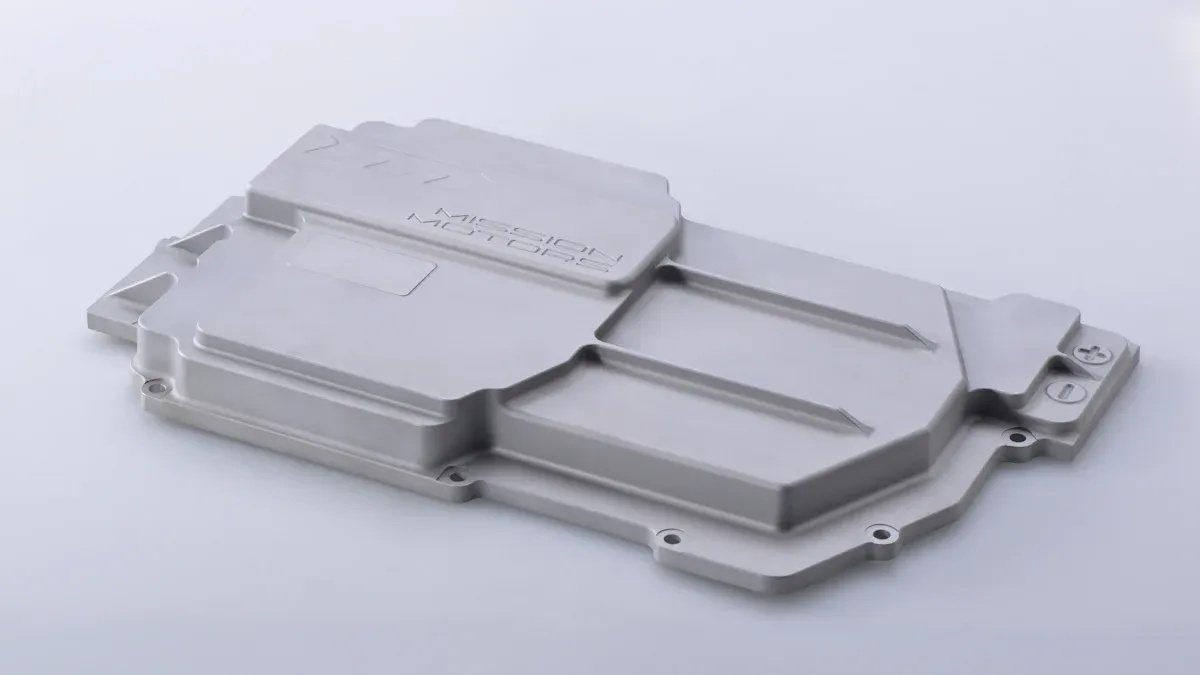
You benefit from aluminum’s low density, which is about one-third that of steel. Lighter vehicles require less energy to accelerate, increasing fuel economy and extending electric vehicle range. A recent project showed a 40% weight reduction in an EV motor controller housing, resulting in a notable range increase.
Aerospace Sector Advancements
You depend on die casting for aerospace parts that demand precision and reliability. Aircraft manufacturers use lightweight components to reduce overall weight and improve fuel efficiency.
- Turbine housings and blades resist thermal fatigue.
- Structural brackets and frames support sensitive instruments.
- Engine covers and mounts deliver durability with less weight.
- Landing gear components withstand extreme forces during landing.
You achieve high strength-to-weight ratios and consistent quality. Efficient heat management and enhanced engine performance are possible due to aluminum’s superior thermal conductivity. Rigorous quality control and non-destructive testing ensure every part meets strict safety standards.
Electronics and Consumer Product Solutions
You select die-cast aluminum for electronics and consumer goods because it offers precision, strength, and versatility.
- Lightweight parts make devices portable.
- High strength and corrosion resistance ensure durability.
- Excellent thermal conductivity supports heat management in electronics.
- Complex shapes and fine details meet design requirements.
Die-cast heat sinks feature intricate fins that dissipate heat quickly. You integrate mounting holes and thermal pads for compatibility. The process minimizes waste and lowers production costs, making it ideal for high-volume manufacturing.
Overcoming Manufacturing Challenges
You face challenges such as porosity, cold shuts, and surface defects in die casting. You overcome these issues by optimizing die design, controlling temperature, and using quality mold release agents.
| Challenge | Solution |
|---|---|
| Porosity | Optimized die design, controlled cooling, vacuum die-casting. |
| Cold shuts | Optimal temperature control, proper injection speed, mold design adjustments. |
| Surface defects | Quality mold release agents, clean molds, controlled injection parameters. |
| Thermal fatigue and wear | High-quality materials, thermal management, regular maintenance and inspection. |
| Consistent mechanical properties | Process optimization, alloy selection, comprehensive testing and inspection. |
You implement visual and dimensional inspections, non-destructive testing, and leakage tests to guarantee defect-free components. These measures ensure you meet industry standards for mechanical properties and dimensional tolerances.
You drive innovation in manufacturing by adopting advanced materials and precise processes.
- Sustainable alloys and recycling technologies support eco-friendly production.
- Automation, AI, and 3D printing improve efficiency and customization.
- Lightweight, high-strength components boost fuel efficiency and durability, keeping you competitive in 2025 and beyond.
FAQ
What industries benefit most from cast aluminum die casting?
You see automotive, aerospace, and electronics industries gain the most. These sectors require lightweight, strong, and precise components for advanced manufacturing.
Tip: Choose cast aluminum for applications demanding durability and weight reduction.
How does cast aluminum die casting improve product durability?
You achieve enhanced durability through high-pressure casting, advanced alloys, and rigorous testing. These methods ensure each part meets strict standards for strength and reliability.
| Method | Benefit |
|---|---|
| High-pressure | Stronger parts |
| Alloy selection | Longer life |
| Testing | Reliability |
Can you customize cast aluminum parts for complex designs?
You can create intricate shapes and fine details using precision engineering. Die casting supports thin walls, complex geometries, and tight tolerances for custom applications.
Note: Advanced mold design enables unique solutions for challenging projects.